
Lemon Bee Balm
🌿 Native Plant Week: Begin with Bee Balm
It’s Native Plant Week in Texas, and while most of the garden is winding down, I’m thinking about beginnings.
Although it still feels like summer, fall is the quiet season of planting here in Central Texas. The soil still holds summer’s warmth, the promise of rain (hopefully) lingers in the air, and the roots—if we give them time—will stretch deep into the earth before spring’s wild green rush. It’s the perfect moment to tuck native medicinal plants into the soil. Some of my favorites, these are plants with long histories of healing, feeding, and belonging to this land. They’re not just survivors—they’re storytellers.
The Tonkowa Chapter of the Native Plant Society of Texas became a part of their stories. Earlier this summer, I was able to give a presentation on native plants in this area that were used medicinally. This led to the creation of the Tonkawa Chapter of NPSOT Medicinal Garden in Salado.
This week I'm starting a new series featuring some of the plants that we've gathered and installed in the medicinal garden, beginning with one of my favorites: Lemon Bee Balm (Monarda citriodora).
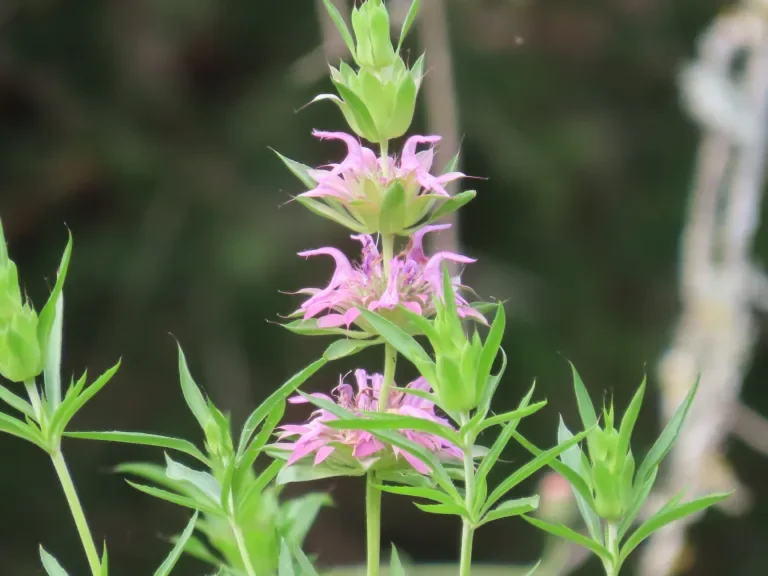
This wonderful photo was by Claire Sorenson on the Native Plant Society of Texas’ webpage.
Lemon Bee Balm is a small but mighty presence alongside Texas roads and highways—usually just 1 to 2 feet tall—but she wears a crown. Her lavender blooms stack like a spiral staircase, tiered and regal. Her leaves carry a citrusy scent that lifts the spirit and clears the head. Traditionally used as an antimicrobial and respiratory support, she also makes a calming tea that tastes like a breath of fresh air. I sip it when I need to remember my own rhythm.
You’ll find her in dry limestone soils, basking in full sun, blooming from May through July. But now—in October—is when I plant her. She’s native, and natives know how to root deep before the heat returns. Fall planting gives perennials like Bee Balm a head start. Their roots grow through the winter, anchoring them for resilience in the long, dry months ahead. It’s a quiet kind of magic—one that rewards patience.
In my garden, Bee Balm does triple duty:
She’s native, anchoring herself in Central Texas soil like she’s always belonged.
She’s medicinal, offering healing in her leaves and flowers.
She’s edible, though I use her more as a tea than a garnish—her citrusy notes are subtle, like a memory of summer.
But more than that, she’s a teacher.
Bee Balm reminds me that beauty can be layered. That healing doesn’t have to shout. That native plants aren’t just functional—they’re relational. She grows in poor soil, thrives in heat, and still manages to feed the pollinators with grace.
Over the coming weeks, I’ll be sharing stories and teachings from the Salado Medicinal Garden: Yarrow, Prickly Pear, Texas Sage, American Beautyberry, and more. Each one carries its own medicine, its own myth, its own invitation.
For now, I’ll leave you with this:
What are you planting now that will bloom when the world warms again? What roots are you tending, even if no one sees them yet?
